




Choose park
Check in
Check out
Guests
Check in/out
Guests
Search
Owning a static caravan means you've always got a home away from home ready to escape to. But most UK holiday parks close for part of the winter, and the cold months are when caravans are most at risk of frozen pipes, damp, and mould.
Winterising — draining down your water system and properly preparing the interior and exterior — protects your investment and means you can reopen in spring without nasty surprises. Here's everything you need to do, in order.

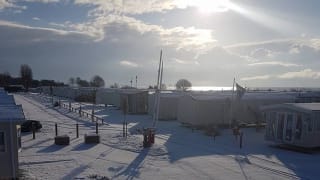
To help prepare for the season of holiday park hibernation, you’ll want to shut down and carefully ‘winterise’ your caravan to keep it safe and in good condition when you’re ready to open it back up.

Most owners winterise in late October to November, before the first hard frost — but the safest rule is to act as soon as your park confirms its closure dates, or before overnight temperatures regularly drop below freezing in your area. Leaving it too late risks frozen, burst pipes, which is one of the most common (and expensive) winter caravan claims.
Winterising properly typically takes 2–3 hours for a full static caravan, so set aside an afternoon rather than rushing it.
Draining your caravan's water system is the single most important step — skipping it is the leading cause of winter pipe damage.
If you're not confident doing this yourself, most parks can recommend a professional drain-down service.
Damp is the second biggest risk after frozen pipes, and it's largely preventable:

Pack up valuables to take home, and vacuum-pack duvets, blankets, and soft furnishings. Stand mattresses upright if you have the space, and leave wardrobe doors open to keep air moving.
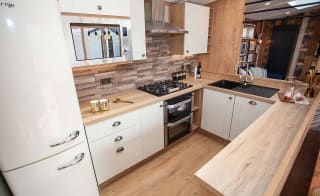
Empty the fridge and freezer completely, and wipe them down with a weak bicarbonate of soda solution. Clear every cupboard — including unopened food, which can attract pests over winter — and clean worktops, the oven, microwave, and toaster. Leave cupboard doors open.

Roll up rugs, pull cushions away from the walls, and pack away soft furnishings. Take all valuables home, including the TV.
Do one last walk-through: remove anything irreplaceable, push furniture to the centre of each room, check air vents are clear, and turn off the electricity at the mains.
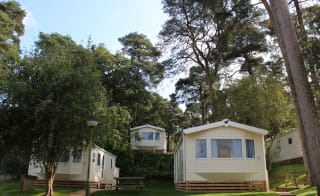
We recommend checking the roof, chassis, and windows for leaks or loose joints and removing your steps if possible.
Finally, if your caravan has a gas bottle, disconnect it and store the canister safely.
Once you've finished, let your holiday park know your caravan is winterised and ready for the season — and tell them when you're planning to return. It's also worth contacting your static caravan insurance provider to confirm you're covered correctly over the closed season; some policies require proof of winterisation to remain valid.
Find out moreWhen should I winterise my static caravan? Before the first hard frost — usually late October to November in the UK, or as soon as your park's closed season begins.
Can I winterise my static caravan myself? Yes, with basic tools and an afternoon to spare. If you're not confident draining the water system, a professional drain-down service is a safer option.
What happens if I don't winterise my caravan? Untreated pipes can freeze and burst, causing leaks and water damage that's costly to repair, and an unventilated caravan is far more likely to develop damp and mould over winter.
How long does winterising take? Around 2–3 hours for a full static caravan, depending on its size.
Kate has been part of Away Resorts for many years, beginning her journey as a Holiday Home Advisor at Whitecliff Bay Holiday Park. She’s passionate about sharing authentic experiences that show what makes Away Resorts so special, whether that’s alpaca walks, surfing on the FlowRider, or simply enjoying time together in beautiful locations. Outside of work, Kate loves spending time by the coast and countryside. Her favourite spots include the beaches at St Ives Bay, wandering around Padstow, and exploring the stunning New Forest countryside around Sandy Balls Holiday Village.
Follow Kate Watts for thoughtful takes, fresh ideas, and inspiring reads.
Whilst you wait... just think about being in your swimmers, the sun's out and the smiles are big
Enter your details to make a payment or request a change
Don't remember your details? Check your confirmation email, or speak to our team
Are you an owner with us? Click here to login