


Choose park
Check in
Check out
Guests
Check in/out
Guests
Search
Nestled in the heart of southern England, the New Forest is a haven for wildlife enthusiasts and nature lovers alike. Planning your ideal caravan or lodge holiday in the New Forest? Here is our ultimate guide to wildlife in the New Forest to help you make a trip to remember!

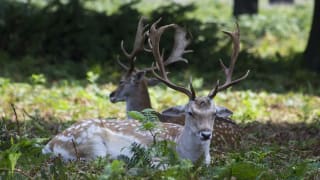
It’s easy to see why the New Forest is famous for its rich and diverse wildlife. Spanning over 200 square miles of ancient woodlands, heathlands, and grasslands, this enchanting landscape boasts a rich tapestry of flora and fauna. From the majestic fallow deer to the elusive nightjar and the world-renowned New Forest ponies, it is teeming with an array of species just waiting to be seen. So why not begin discovering?
Whether you're an avid birdwatcher, a budding botanist, or are simply seeking a tranquil escape into nature, New Forest wildlife is sure to impress holidaymakers of all ages.
Just a 30-40 minute drive away from Sandy Balls holiday park, the New Forest Wildlife Park is the perfect place for a day out with the family, your partner, your friends, or even a solo trip.
Get up close and personal with various native and exotic species, wander through lush enclosures, and marvel at the playful otters, elusive wolves, and majestic owls which call this park home. With its commitment to conservation and education, it not only provides an entertaining experience for visitors of all ages but also fosters a deeper understanding and appreciation of the delicate balance of our ecosystems.
Whether you're a wildlife enthusiast or a family looking for a day of discovery and fun, the New Forest Wildlife Park promises an adventure filled with wonder and inspiration.
Here are just some of the different types of wildlife you could be lucky enough to spot on your holiday…

This otter species uses special calls to communicate with each other and can vocalise 14 different sounds?
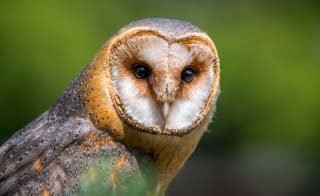
Barn Owls eats an average of four small mammals per night, which amounts to 1,460 per year.
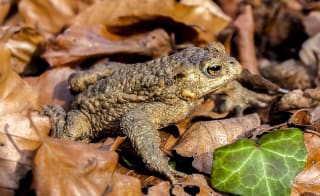
Before becoming a toad, tadpoles contain toxins that make them unpleasant for predators to eat, so they can survive living in the deep ponds containing fish.

The Eurasian Eagle Owl is considered the world's largest owl by wingspan and can prey on animals as large as foxes or small deer.
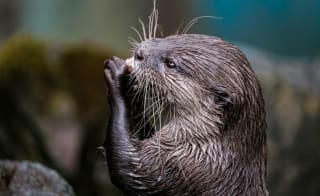
Eurasian otters close their ears and noses while diving underwater.

Did you know that a group of badgers is called a clan, cete, or colony?

many of these animals are being reintroduced into several European countries through a successful captive breeding programme.
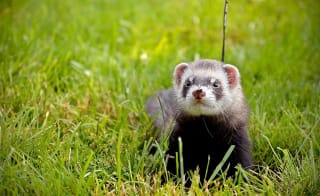
Ferrets can sleep 18-20 hours daily - that’s a lot of sleep!
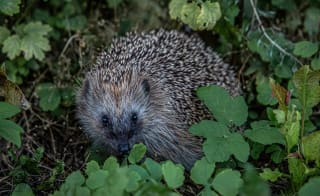
Hedgehog babies are called hoglets and are born naked and blind.

European pine martens can jump distances of up to 20 ft between the trees.
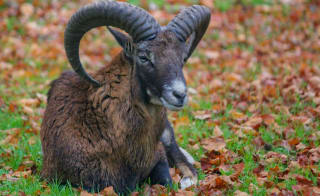
Did you know mouflon are a wild sheep species originating from islands in the Mediterranean?
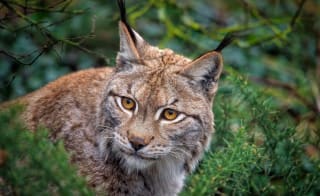
Northern lynx have such strong eyesight that they can spot a mouse up to 250 ft away.

The name Sika comes from "Shika", the Japanese word for deer.
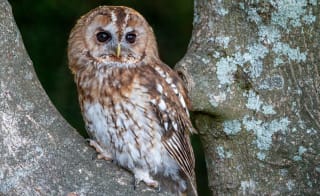
Did you know that the iconic owl call is a conversation, with one saying 'Twitt' and the other replying 'Twoo'?
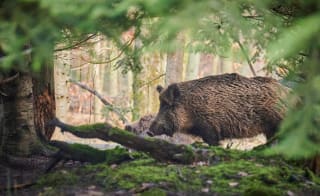
Baby boars are called 'boarlets' and have stripy coats until they reach 5-6 months old.
Looking for a unique animal encounter that you'll always remember? The New Forest Wildlife Park offers a variety of different experiences, but one of the top things to do are the keeper experiences. These allow you to gain an up-close look at the amazing animals and learn more about their daily lives and habits.
Alongside one of the knowledgeable keepers, you can get to know the New Forest animals in a one-to-one experience. You'll have plenty of time to ask questions and tailor your visit to your specific animal interests.
It's not only one animal you can be a keeper for the day, but two. Here are some of the animals experiences that you can choose from:
If you've ever wanted to become a keeper, what better place to start your journey than the New Forest Wildlife Park? Come along and discover some of the best animals in the New Forest.
Located near Lyndhurst, around a 30-minute drive from the Sandy Balls holiday park, the New Forest Reptile Centre is dedicated to protecting rare snakes and lizards while promoting their reintroduction across the country.
If you're a reptile fan or just want to learn something new, the New Forest Reptile Centre features special outdoor pods that provide natural habitats for sand lizards, smooth snakes, and adders. These pods offer a unique opportunity to observe these elusive reptiles up close, including:
So, what are you waiting for? Start planning your next unforgettable wildlife experience!
Alongside meeting the fantastic reptiles, why not embark on a delightful circular walk perfect for the whole family at the New Forest Reptile Centre?
Whether you start at the Reptile Centre or Millyford Bridge, just follow the red marker posts along the main gravel path for a charming journey through the heart of the New Forest. The Discovery Trail is smooth and accessible, providing a perfect outing for families and nature enthusiasts alike.
Consider yourself a birdwatching enthusiast? You’re in luck, because the New Forest is home to all kinds of heathlands, nature reserves and woodlands that are teeming with an impressive array of bird species.
With around 100 species of breeding New Forest birds and about 20 additional avian visitors that grace the forest during the winter months, the New Forest is an ideal destination for birdwatching and discovering the beauty of its feathered inhabitants.

Buzzards have a distinctive mewing call that adds to the natural soundscape of the New Forest.
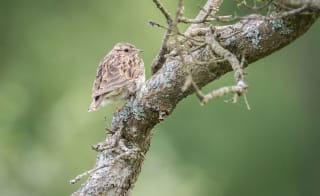
Did you know they are among the few birds that still sing in the dark?

The hawfinch is the UK's largest finch and has a huge bill, also known as the "bulldog of the bird world”.

This small warbler has returned from the brink of extinction in the UK in the last 50 years.

The scientific name for the great grey shrike comes from the Latin words for butcher (lanius) and sentinel (excubitor), referring to their habits of impaling prey and perching on prominent bushes.
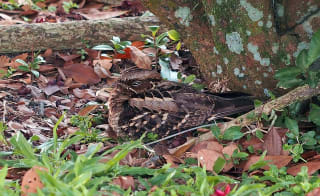
Nightjars are nocturnal birds who hunt for food at dusk and dawn.
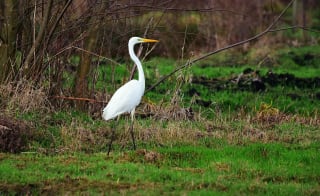
Did you know that all wading birds have long legs that allow them to stay clear of the water while they look for food?
Right on the Hampshire-Wiltshire border, Forest Falconry offers an immersive falconry experience day, where you can enjoy some of the New Forest’s most majestic birds of prey.
Get up close and personal with owls, hawks, and more. You'll have the opportunity to handle and train these magnificent birds, gaining insights into their welfare, conservation, and evolutionary adaptations.
Looking for the perfect base to revel in the beautiful surroundings of New Forest wildlife? We know just the place. Right in the heart of the New Forest National Park, Sandy Balls is the ideal location for New Forest lodge, caravan and hot tub holidays.
Now that you're ready to explore the stunning New Forest wildlife, what are you looking forward to the most? Whether it's birds, reptiles, or mammals, you'll never run out of animals to discover! The only thing left to do is book your next New Forest visit to see these animals whenever you want. What will you discover first?
With direct New Forest access, indoor and outdoor pools, hot tub accommodation options and outdoor activities, there’s no better way to experience the New Forest than with a holiday at Sandy Balls.

Best for: nature-lovers who want to indulge in the New Forest wildlife.
There’s no better place to enjoy the camping lifestyle than at Sandy Balls. With beautiful views, great on-site amenities, and some of the most varied wildlife and animals to watch out for, it makes for the perfect New Forest getaway.
Explore New Forest camping
Best for: budget holidays with everything you need to enjoy all that the New Forest has to offer.
Ranging from value to indulgent options, caravan holidays at Sandy Balls provide the ideal base to go out and explore the very best of New Forest wildlife. With plenty of room for small families and couples, you get all the relaxation at a fraction of the cost.
Explore New Forest caravan holidays
Best for: Larger groups and those wanting to experience the New Forest in style.
The little luxuries make all the difference. Stay at one of our luxurious lodges at Sandy Balls for spectacular wildlife views, ample space to unwind, and all the comforts of home.
Explore New Forest lodge holidaysWhether it’s birds, reptiles, or beautiful woodland creatures, the New Forest has endless animals and wildlife to explore. The only thing left to do is book your dream New Forest holiday. Explore our holiday parks and find the perfect stay for you.
There are plenty of wild animals in the New Forest, especially in the National Park. For example, there are a range of birds, deer, reptiles, and so much more! The New Forest ponies and horses are particularly famous, so make sure to keep an eye out for them on your adventures.
There is lots of rare wildlife in the New Forest. You might not have known, but the New Forest is a Special Protection Area for Birds and one of the last places where you can find rare and endangered species, including the Woodlark and Nightjar.
Don't worry, as there are no bears in the New Forest! If you want to go on the many beautiful walks that you can find in the area, you'll be glad to know that it's a very safe place to go.
The New Forest has many unique places to see animals, and the forest is the best place to do so. The northern regions are especially great for their heathland and woodland wildlife, including birds of prey and nightjars.
The area is famous for its free-roaming animals. Most notable are the New Forest horses and ponies, but you may also see cattle, donkeys, pigs and wild deer. But don’t worry - most of these animals belong to local residents who hold traditional grazing rights. Feel free to take pictures but don’t feed or touch the animals.
Paul is the General Manager at Mill Rythe Coastal Village and he’s passionate about creating memorable experiences for both guests and holiday homeowners, and takes real pride in working with his team to make every stay feel special. Outside of work, Paul enjoys making the most of the local area. You’ll often find him exploring spots like Hayling Island Beach, walking the Hayling Billy Trail, or taking in the views around Langstone Harbour and Northney Marina. He also recommends visiting iconic attractions like Spinnaker Tower and Royal Armouries: Fort Nelson.
Follow Paul Widgery for thoughtful takes, fresh ideas, and inspiring reads.
Whilst you wait... just think about being in your swimmers, the sun's out and the smiles are big
Enter your details to make a payment or request a change
Don't remember your details? Check your confirmation email, or speak to our team
Are you an owner with us? Click here to login